
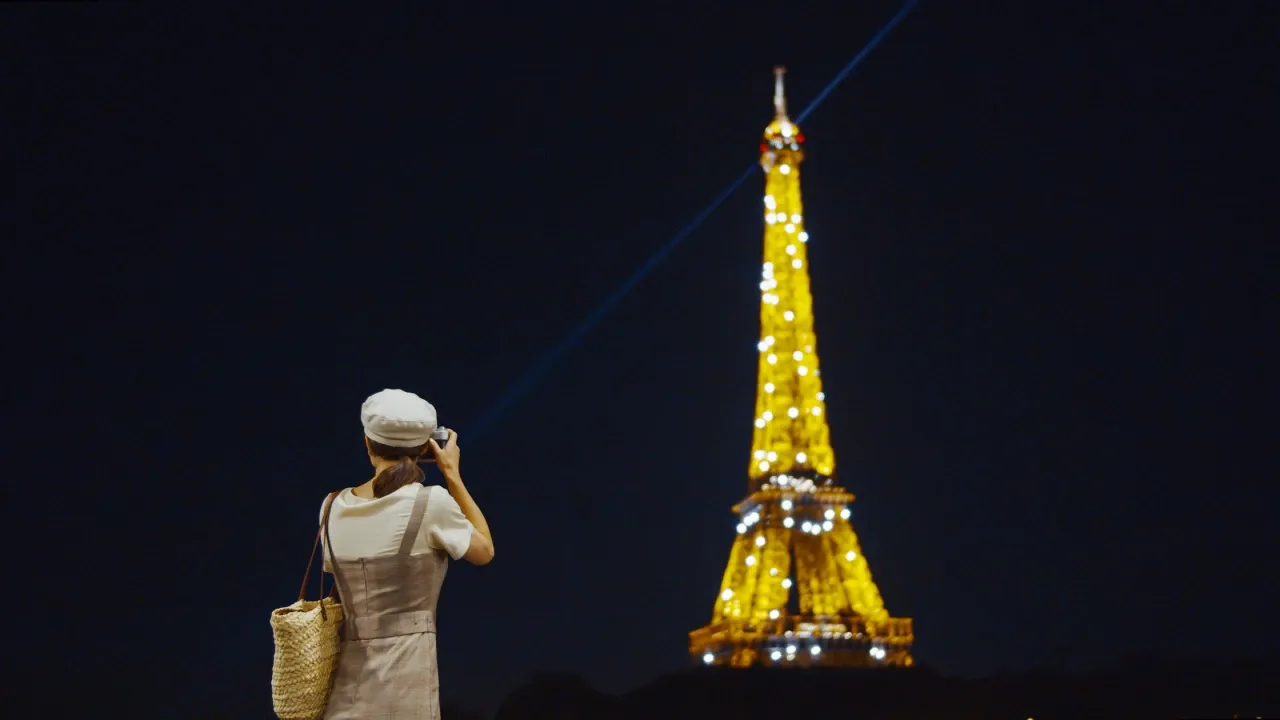
Where is the best spot to see the Eiffel Tower sparkle?
Finding the best spot to see the Eiffel Tower sparkle depends on your preferred angle and distance from the monument. While Paris offers multiple viewpoints, one specific location provides the direct, unobstructed line of sight that postcards always capture.
1. Place du Trocadéro
1. Place du Trocadéro
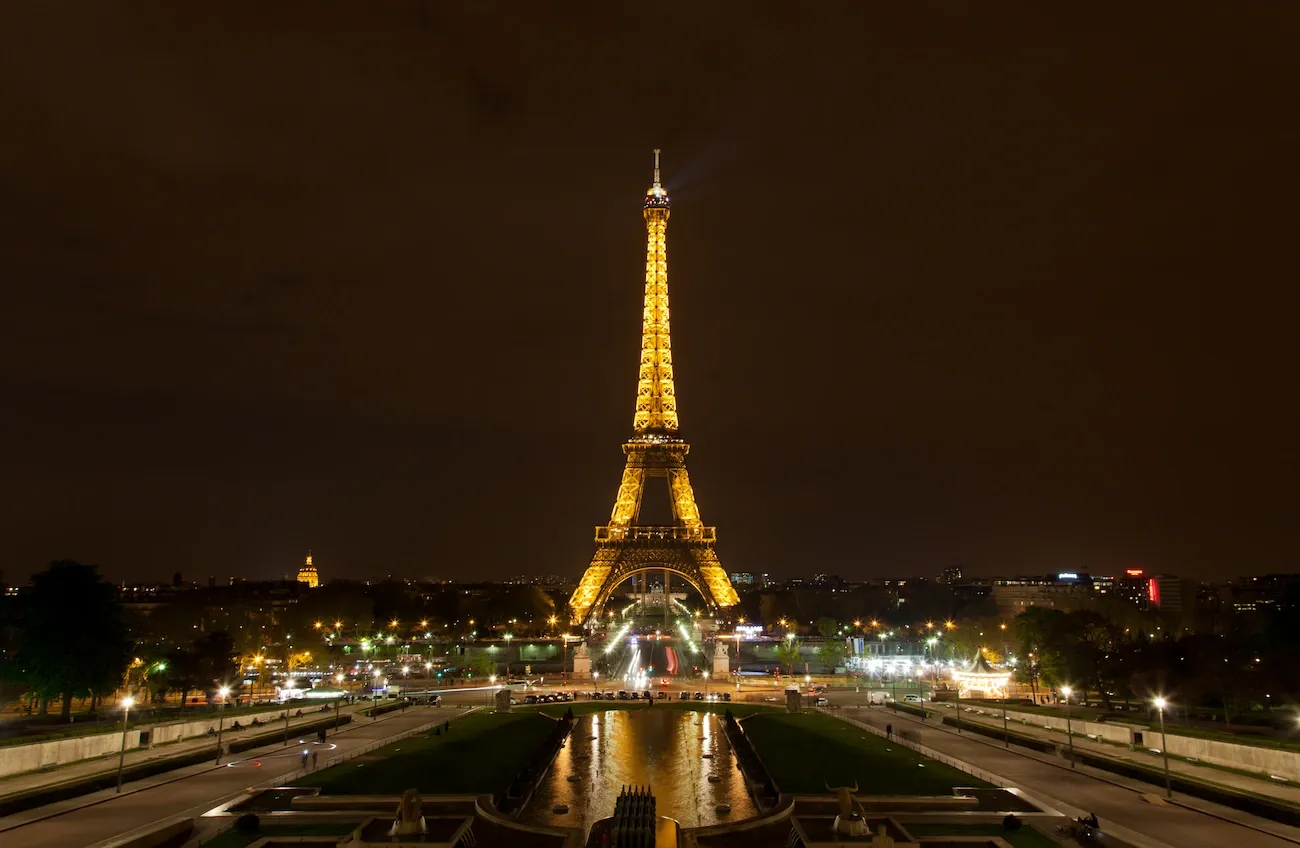
For the iconic frame, nothing beats Place du Trocadéro (Trocadero Square). The terrace sits high enough to clear the riverside trees, the angle is dead-centre, and the tower fits cleanly into a portrait-orientation phone shot without cropping. This specific elevation and alignment make it a standard choice for both professional equipment and casual smartphones.
However, its main weakness is the consistent crowd. During peak summer months, holidays, and weekends, the front row along the stone ledge fills up at least 20 minutes before the hour, requiring visitors to arrive early to secure an unobstructed line of sight.
2. Champ de Mars
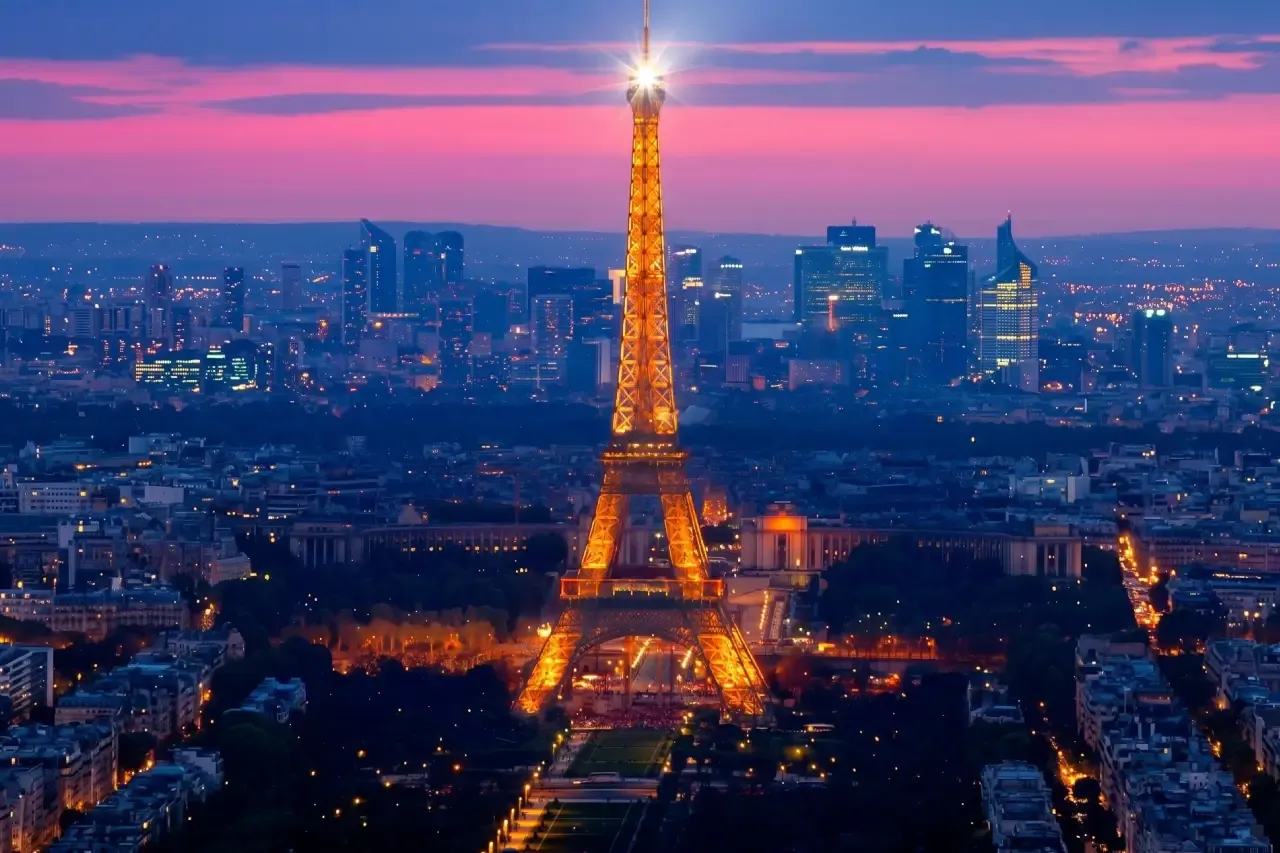
The Champ de Mars (Field of Mars) trades framing for intimacy. From the lawns, the tower fills the sky, and the 5-minute sparkle becomes a personal experience rather than a photograph. Wide-angle frames are difficult here, and the steady golden illumination tends to dominate over the flash bulbs at this range.
Because visitors are positioned directly at the base of the monument, the sheer scale of the structure alters the perspective entirely. This proximity means onlookers look upward through the iron latticework, making it a suitable choice for those who prefer to experience the scale of the light show rather than capturing a standard postcard composition.
3. Pont de Bir-Hakeim
3. Pont de Bir-Hakeim
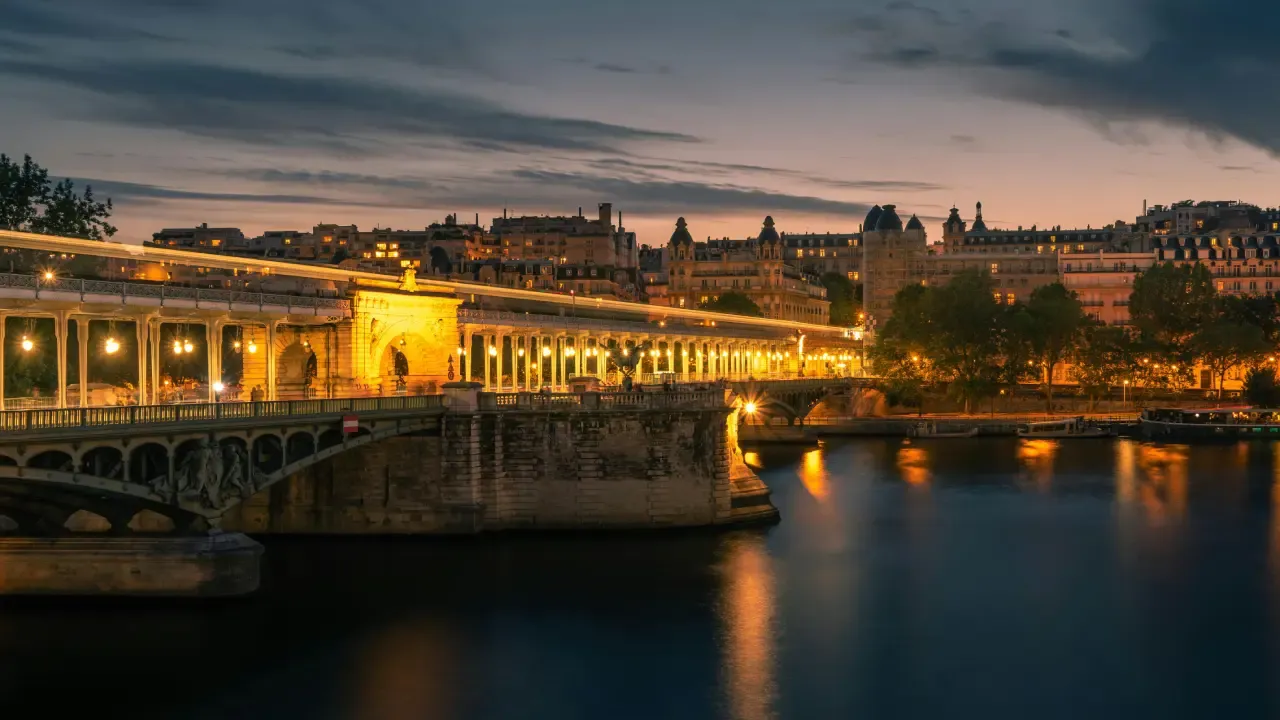
Pont de Bir-Hakeim (Bir-Hakeim Bridge) is the cinematic option. The two iron arches of the bridge layer over the tower at a 45-degree perspective, and the Metro Line 6 viaduct adds a foreground element no other spot offers. The bridge stays moderately busy on the hour, but the crowd thins out faster than at the Trocadéro.
This location provides photographers with distinct architectural lines that frame the monument alongside the Seine River below. Because the platform extends across the water, onlookers can utilize the reflections on the river surface to enhance their visual composition, making it a highly functional alternative to the more congested viewing plazas nearby.
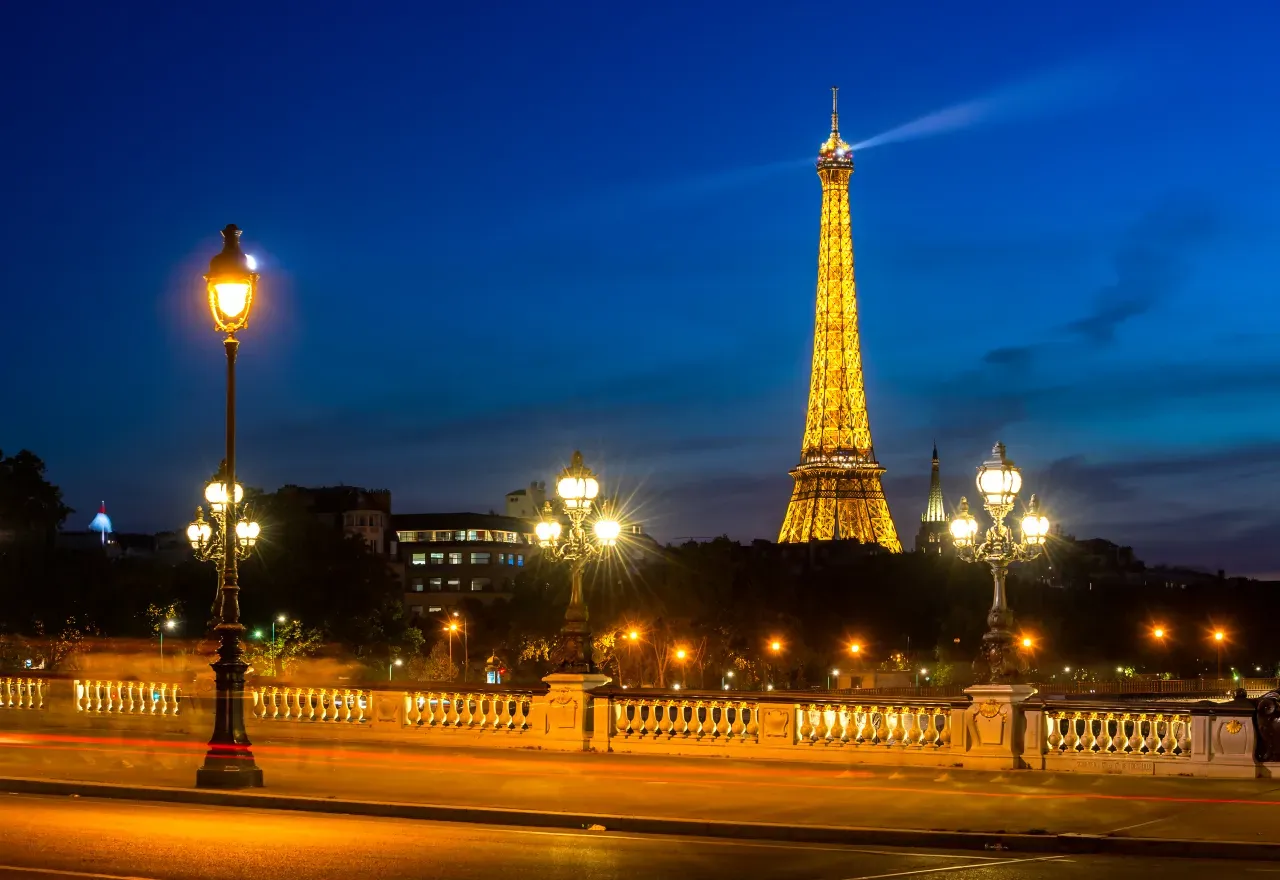
4. Pont Alexandre III
The Pont Alexandre III (Alexandre III Bridge) provides a highly decorative and classical setting for the light show. The bridge features ornate golden statues, stone cherubs, and grand art nouveau lamps that serve as a historic foreground, framing the monument from a down-river perspective.
While the distance means the tower appears smaller in the frame compared to closer vantage points, the wide view captures the structure reflecting across the surface of the Seine River. The wide sidewalks allow spectators to find a good spot to watch the show.
5. Pont de l'Alma
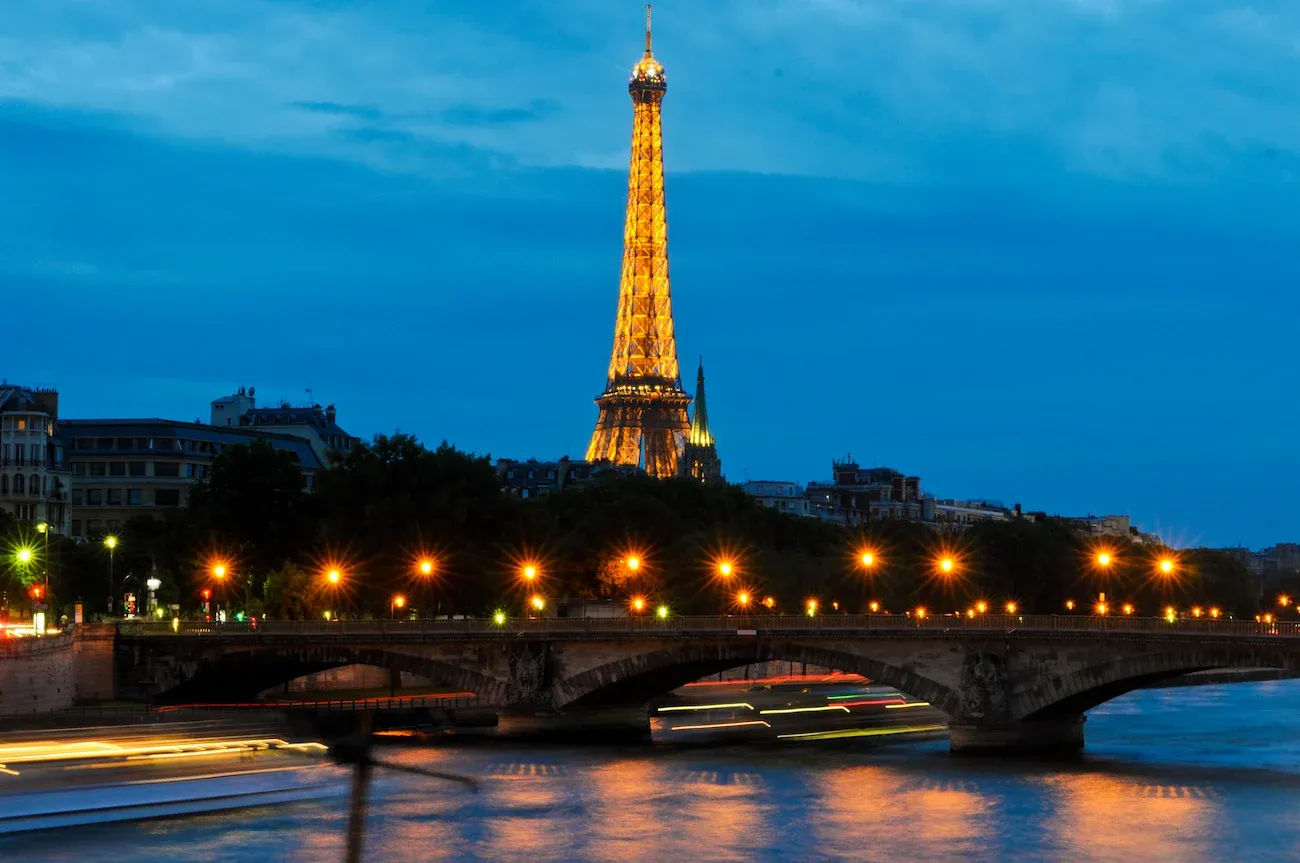
5. Pont de l'Alma
The Pont de l'Alma (Alma Bridge) serves as a distinct mid-range viewing point located down-river from the monument. This location offers an angled perspective where the modern structure is framed alongside the traditional stone arches of the nearby Pont des Invalides in the foreground.
Because the bridge sits at a wider bend in the Seine, the viewpoint captures both the light show and the reflecting trails of passing river boats across the water's surface. While it remains a recognized thoroughfare, the broad pedestrian pathways accommodate onlookers efficiently, making it an practical option for those seeking a composition that incorporates multiple Parisian bridges into a single frame.
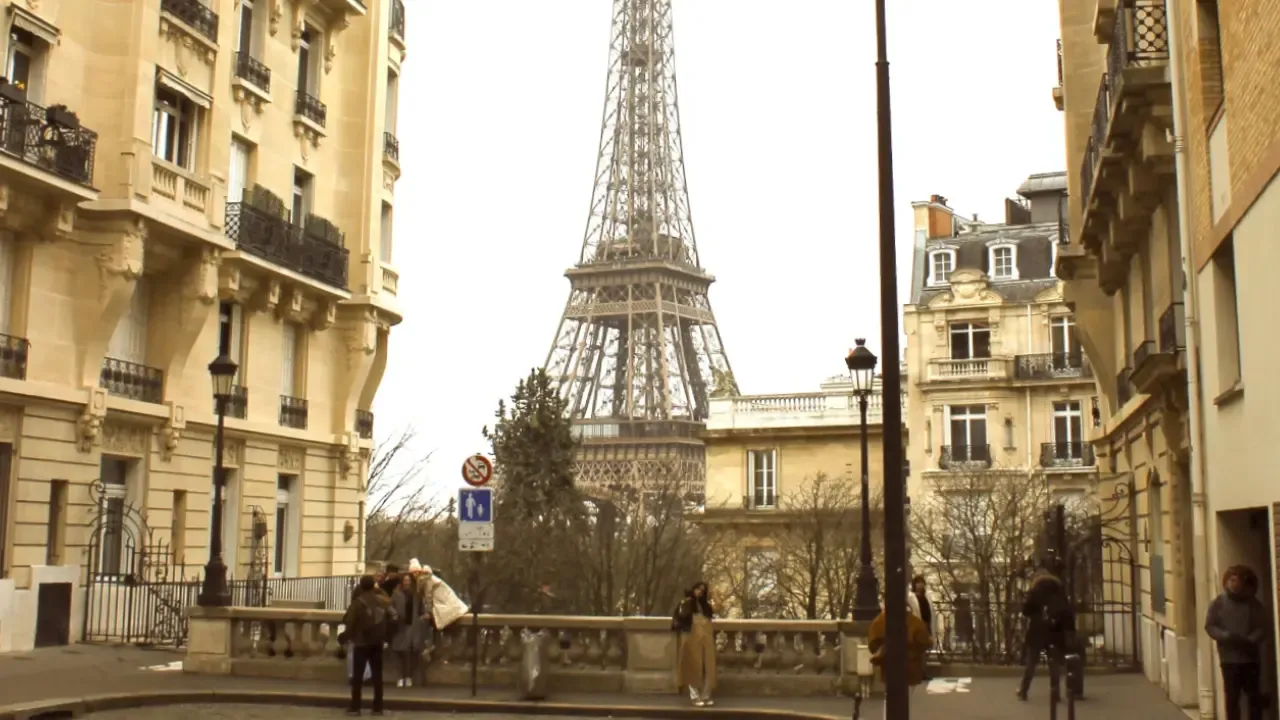
6. Avenue de Camoëns
Avenue de Camoëns (Camoens Avenue) is the quiet pick. Its staircase frames the tower head-on at a slightly elevated angle, and the avenue is residential rather than tourist-heavy, so even on the late evening sparkles the foreground stays clear. The framing is narrower than the Trocadéro and there is no terrace, but those are reasonable concessions for the calm.
This cul-de-sac features Haussmann-style architecture and an ornate stone balustrade that provides an elegant, historic border for photography. Because the street receives significantly less foot traffic than major public squares, visitors can observe the hourly light display with minimal disruption from large tour groups or street vendors.
7. Seine River cruise
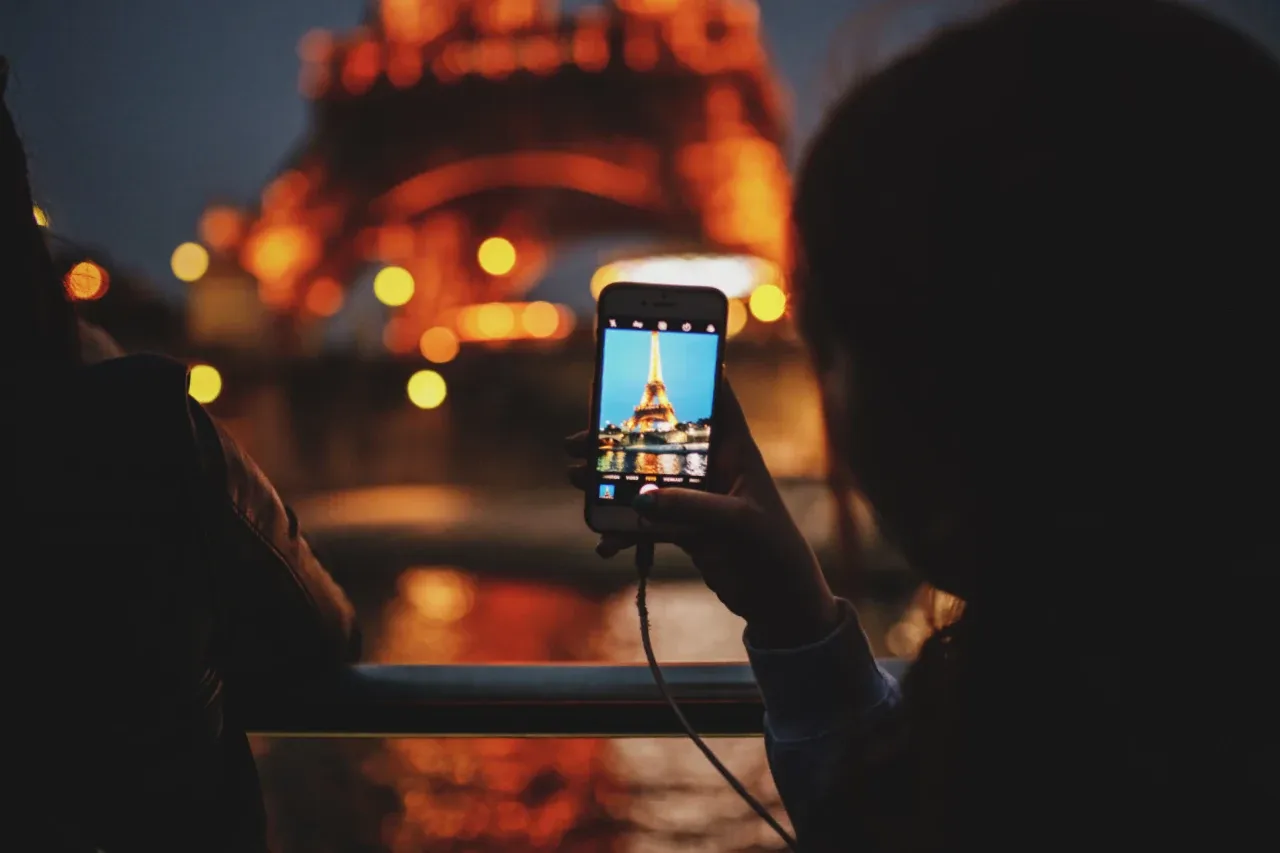
7. Seine River cruise
A river cruise provides a moving perspective that changes continuously throughout the five-minute display. As the boat navigates the water, the monument transitions from a distant point on the horizon to a towering structure directly overhead, allowing onlookers to see the light reflect off the river surface from multiple angles.
This option eliminates the static framing of land-based viewpoints, offering instead a sequence of unobstructed views as the vessel passes by the surrounding bridges and trees. While operators run regular evening schedules to coincide with the hourly show, visitors must book a specific departure time to ensure the boat is positioned near the monument when the sparkles begin.
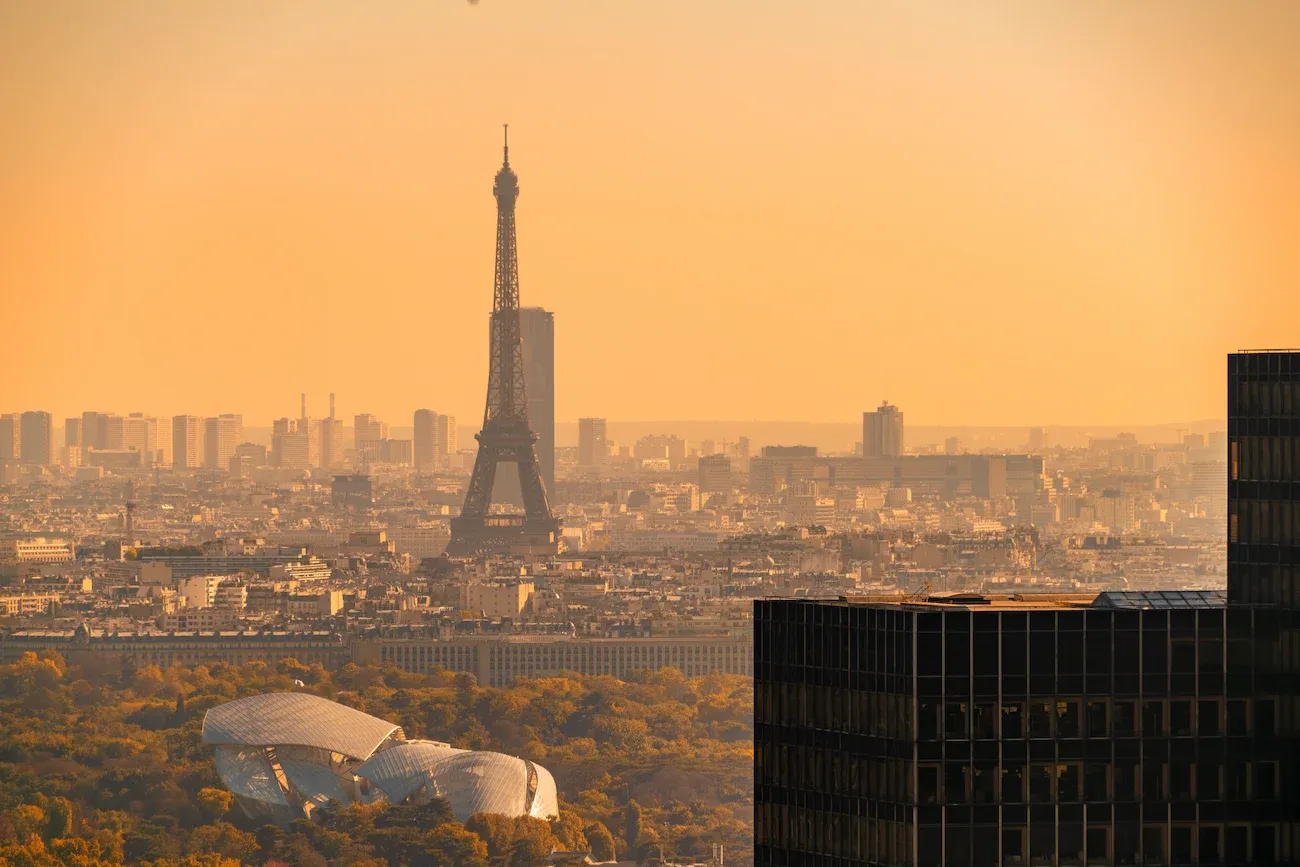
8. Tour Montparnasse
Tour Montparnasse (Montparnasse Tower) offers what none of the other spots can: skyline context. The lit tower sits inside a wider city panorama on its observation deck rather than dominating the frame, and few high vantage points in central Paris give that perspective.
Paid entry is one trade-off. The other is a closing time that lands before the last sparkle of the night, which keeps the late sparkles out of reach. Despite this, the vantage point allows photographers to capture the light show without being obstructed by obstacles at street level.
So, which is the best spot to see the Eiffel Tower sparkle?
The Place du Trocadéro is widely functional as the primary location for this view. Situated directly across the Seine on an elevated platform, this plaza aligns with the monument to offer a symmetrical and unobstructed line of sight. This positioning allows visitors to view the entire structure from base to summit without interference from trees or surrounding buildings during the hourly light sequence.
For alternative angles, other locations provide different distances and framing. The Champ de Mars allowing you to view the light show from directly underneath. Additionally, the Pont de Bir-Hakeim provides a perspective that incorporates the Seine River into the frame, which alters the composition of the view.
Ultimately, determining the best spot to see the Eiffel Tower sparkle depends on whether you prefer proximity or a wide angle. However, for a clear view that captures the entire architectural profile during the five-minute display, the elevation and distance of Trocadéro fulfill the technical requirements for standard photography and observation.
Where is the best spot to see the Eiffel Tower at night?
The same vantage points work for the lit tower at night, but the question of where to watch a static night view differs slightly from the question of where to watch the 5-minute sparkle. Two layers of light wrap the tower after dark. A steady golden glow runs from sunset until 1:00 AM (2:00 AM in summer), and a 5-minute burst of white flash bulbs fires every hour on the hour. The sparkle is the burst. The night view is the glow.
For the steady golden illumination, the Trocadéro and the Champ de Mars remain the top two picks. Their advantage at night is the same as during the sparkle. Both keep a head-on framing with unobstructed lines of sight.
Avenue de Camoëns is the strongest quieter alternative. A short staircase on the Right Bank lines up directly with the tower at a slightly elevated angle, and the street is residential rather than tourist-heavy, so even on a Friday night the foreground stays clear. Pont Alexandre III adds the gilded statues that the Trocadéro does not have, useful for compositions that want a Parisian Beaux-Arts foreground.
Some elevated paid alternatives exist for visitors who want the tower as part of a wider skyline rather than as the only subject. Montparnasse Tower's observation deck on the Left Bank is the most popular of these. It is one of the few high vantage points in central Paris that lets the lit tower itself sit in the frame, and checking its closing time online before the visit is worthwhile because the deck does not stay open all the way through the last sparkle of the night. Several rooftop bars across the 7th and 8th arrondissements give narrower views from a glass of wine.
The last sparkle of the night runs at 1:00 AM in standard months and 2:00 AM during the summer extension. Planning around that hour matters because Paris's last metro runs around the same time on most lines, with night buses filling the gap until early morning.